


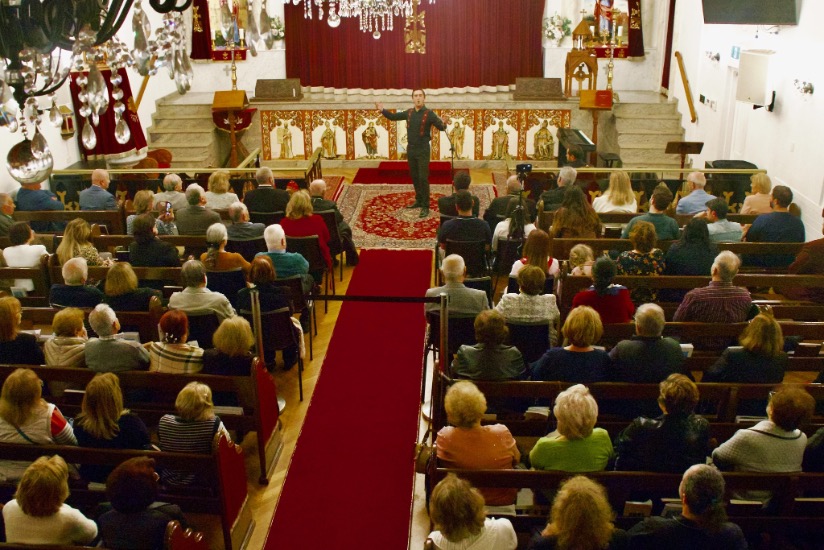
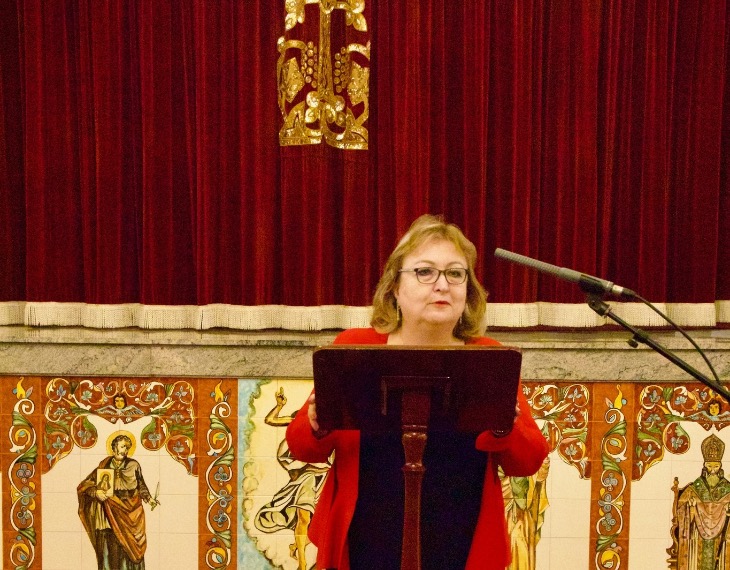


On 13 May 2025, a memorable and significant musical evening took place at the Holy Resurrection Church in Sydney, dedicated to the 90th anniversary of the passing of Komitas Vardapet. This event, honouring the great musician, devout clergyman, and devoted servant of Armenian national culture, brought together numerous members of the Armenian community in Australia, creating an atmosphere rich in spiritual and cultural elevation.
The evening’s principal soloist was the renowned and talented singer and actor Hayk Petrosyan, specially invited from the Motherland. His emotionally charged and inspiring performances were warmly received by the audience and contributed greatly to the success of the evening.
The event was organised through the initiative of Holy Resurrection Church, driven by a deep conviction that the memory of such a spiritually and culturally significant figure as Komitas Vardapet must be commemorated in a spirit of reverence and warmth. The aim of the evening was to fill hearts with sacred music, to unite generations around Komitas’ immortal melodies, and to reaffirm the role of Armenian music as an inseparable part of diasporan identity. It also sought to reflect on and appreciate Komitas Vardapet’s exceptional contributions to the fields of Armenian sacred and folk music.
Throughout the evening, a selection of Komitas’ hymns and folk songs was performed with profound sensitivity, preserving their folk character and national-spiritual essence.
Representatives of various generations from the community were present at the event. With emotion, the attendees participated in the singing—joining in, responding, and sharing in the memorable moments. This event served as an opportunity to unite Sydney’s Armenians around our cultural and spiritual heritage.
In conclusion, it can be affirmed that this commemorative evening of May 13 became a symbol of Armenian identity, culture, and community unity. It was not only a tribute to Komitas Vardapet but also a testimony to the enduring truth that his musical legacy continues to be passed down from generation to generation—wherever in the world Armenians may be.


